Keeping Her Shipshape
Preventative maintenance is the bedrock of reliable seamanship. Saltwater is highly corrosive, and the constant dynamic loading placed on a boat at sea tests every fitting, wire, and seal.
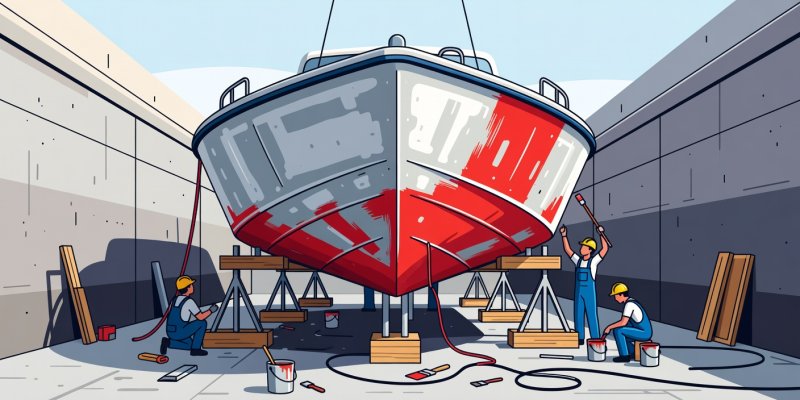
The Below-Waterline Inspection
During a haul-out, the hull requires meticulous inspection for osmosis (in fiberglass hulls). The application of antifouling paint is crucial to prevent marine growth, which can drastically reduce a vessel's speed and fuel efficiency. Furthermore, zinc or aluminum sacrificial anodes must be replaced to prevent galvanic corrosion from eating away at the propeller, shaft, and metallic through-hulls.
Engine Bay Protocols
Marine diesel engines, from brands like Yanmar or Volvo Penta, are renowned for their longevity, provided they are treated properly. The pre-departure WOBBLE check is essential:
- Water: Check raw water strainers and fresh water coolant levels.
- Oil: Ensure engine and gearbox oil is at the correct level and unclouded.
- Belts: Test alternator and water pump belts for proper tension and wear.
- Bilge: Verify there is no excessive water or fuel pooling beneath the engine.
- Look & Leak: A visual scan for loose hoses or wire chafing.
- Exhaust: Check for proper water flow from the exhaust once started.
Rigging and Sails
Stainless steel wire rope used in standing rigging has a typical lifespan of 10 to 15 years. UV degradation is a constant enemy for synthetic lines (Dyneema, polyester) and sailcloth (Dacron or laminates). Washing sails with fresh water and storing them dry prevents mildew and thread rot.