Epic Voyages
To cast off the bowlines and sail away from the safe harbor is the ultimate goal of many mariners. Understanding geography, ocean currents, and trade winds is what separates a weekend boater from a blue-water cruiser.
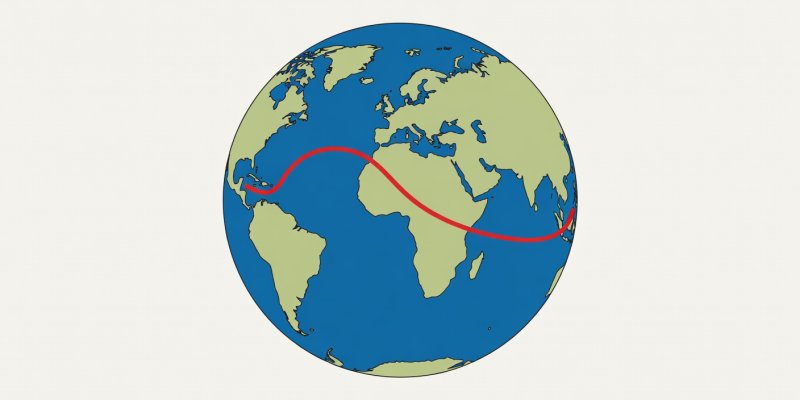
The Trade Winds Route
The classic circumnavigation route utilizes the dependable Trade Winds, which blow consistently from east to west near the equator. Cruisers typically depart Europe or the East Coast of the US, aiming for the Canary Islands, before catching the Northeast Trades across the Atlantic to the Caribbean.
Legendary Passages
- The Bay of Biscay: Known for extreme autumn storms, this body of water off the coast of France and Spain demands respect and careful weather routing.
- The Northwest Passage: A severely challenging route through the Arctic archipelago of Canada, made slightly more navigable in recent years but still choked with ice and demanding heavily reinforced steel or aluminum hulls.
- Cape Horn: The "Mount Everest of sailing." Located at the southern tip of Chile, the Southern Ocean produces massive swells unimpeded by any landmass, creating conditions that test the absolute limits of ship and crew.
Dropping Anchor
The journey is only half the reward. Arriving in pristine cruising grounds like the Exumas in the Bahamas, the Greek Ionian Sea, or the fjords of Norway requires skilled pilotage. Understanding tidal ranges (like the massive shifts in the Bay of Fundy) and holding ground (sand vs. weed vs. rock) dictates what type of anchor (Rocna, CQR, or Danforth) will keep you safe while you sleep.